
More Information
Submitted: September 18, 2026 | Accepted: October 12, 2026 | Published: October 14, 2026
Citation: Siva A. Green Chemistry as a Sustainable Approach for Environmentally Benign Chemical Manufacturing: An Original Research-Style Study. Ann Adv Chem. 2026; 10(1): 55-64. Available from:
https://dx.doi.org/10.29328/journal.aac.1001064
DOI: 10.29328/journal.aac.1001064
Copyright license: © 2026 Siva A. This is an open access article distributed under the Creative Commons Attribution License, which permits unrestriCted use, distribution, and reproduCtion in any medium, provided the original work is properly cited.
Keywords: Green chemistry; Sustainable development; Atom economy; Renewable feedstocks; Catalysis; Environmental protection; Waste minimization
Abbreviations: GC: Green Chemistry; EPA: Environmental Protection Agency; VOCs: Volatile Organic Compounds; E-factor: Environmental Factor; ACS: American Chemical Society; OECD: Organisation for Economic Co-operation and Development; LCA: Life Cycle Assessment; GHG: Greenhouse Gas; R&D: Research and Development; SDGs: Sustainable Development Goals

Green Chemistry as a Sustainable Approach for Environmentally Benign Chemical Manufacturing: An Original Research-Style Study
Aluri Siva*
M.Sc. Chemistry, Dravidian University, India
*Address for Correspondence: Siva Aluri, M.Sc. Chemistry, Dravidian University, India, Email: [email protected]
Green chemistry has emerged as a transformative scientific approach aimed at minimizing the environmental and human health impacts associated with chemical production and utilization. Conventional chemical processes often rely on hazardous reagents, generate substantial waste, consume large amounts of energy, and contribute to environmental pollution. The principles of green chemistry seek to redesign chemical products and processes to reduce or eliminate the use and generation of hazardous substances while maintaining efficiency and economic viability. This study investigates the implementation of green chemistry principles in laboratory-scale chemical manufacturing processes and evaluates their effects on waste reduction, energy conservation, resource efficiency, and environmental sustainability.
The research focuses on the replacement of traditional solvents with environmentally friendly alternatives, optimization of reaction conditions, enhancement of atom economy, and reduction of hazardous by-products. Experimental procedures were designed using renewable feedstocks, catalytic systems, and energy-efficient reaction pathways. Data obtained from laboratory investigations were compared with conventional chemical methods to assess sustainability indicators. The results demonstrated significant reductions in waste generation, lower energy requirements, improved product yields, and decreased toxicity levels. Furthermore, green chemistry approaches exhibited favorable economic outcomes through reduced material consumption and waste management costs.
The findings highlight the potential of green chemistry to support sustainable industrial development and contribute to global environmental protection initiatives. The adoption of green chemistry principles not only improves chemical process efficiency but also aligns with international sustainability goals and regulatory requirements. This study emphasizes the importance of integrating green chemistry concepts into research, education, and industrial practice to promote a safer and more sustainable future.
The rapid growth of industrialization and technological advancement has significantly improved living standards and economic productivity worldwide. However, these developments have also resulted in substantial environmental challenges, including pollution, depletion of natural resources, climate change, and ecological degradation. The chemical industry plays a critical role in modern society by producing materials, pharmaceuticals, fuels, polymers, fertilizers, and consumer products that support economic growth and human well-being. Despite its benefits, conventional chemical manufacturing has historically relied on processes that consume large quantities of raw materials and energy while generating hazardous waste and emissions. As environmental concerns continue to intensify, there is increasing demand for sustainable alternatives capable of reducing the ecological footprint of chemical production.
Green chemistry has emerged as a revolutionary scientific framework designed to address these challenges. The concept was formally introduced during the 1990s as a proactive strategy for pollution prevention and sustainable chemical design. Unlike traditional environmental management approaches that focus primarily on treating waste after its formation, green chemistry emphasizes preventing pollution at its source through the redesign of chemical products and processes. This preventive approach has gained widespread recognition among researchers, industries, governments, and environmental organizations due to its potential to achieve both economic and environmental benefits.
The foundation of green chemistry is based on twelve guiding principles that promote safer, cleaner, and more efficient chemical processes. These principles include waste prevention, atom economy, less hazardous synthesis, safer chemical design, use of safer solvents, energy efficiency, utilization of renewable feedstocks, reduction of derivatives, catalysis, design for degradation, real-time analysis for pollution prevention, and inherently safer chemistry. Collectively, these principles encourage scientists and engineers to rethink the way chemicals are synthesized, processed, and utilized throughout their life cycles.
One of the most significant contributions of green chemistry is its emphasis on waste minimization. Traditional chemical manufacturing often generates large amounts of by-products that require costly treatment and disposal. Such waste streams may contain toxic compounds that pose risks to human health and the environment. Green chemistry seeks to maximize the incorporation of raw materials into final products through improved reaction efficiency and atom economy. By reducing waste generation, organizations can lower disposal costs, improve resource utilization, and decrease environmental contamination.
Another important aspect of green chemistry is the reduction of hazardous substances. Many conventional chemical processes involve toxic solvents, corrosive reagents, and dangerous intermediates. Exposure to these materials can lead to occupational health hazards, environmental pollution, and accidental releases. Green chemistry promotes the use of safer alternatives that maintain process performance while minimizing toxicity. The substitution of hazardous chemicals with environmentally benign materials contributes to safer workplaces and healthier ecosystems.
Energy consumption represents another critical concern within chemical manufacturing. Industrial chemical processes often require elevated temperatures and pressures that demand substantial energy inputs. The resulting greenhouse gas emissions contribute significantly to climate change and environmental degradation. Green chemistry encourages the development of energy-efficient processes capable of operating under ambient conditions whenever possible. Advances in catalysis, microwave-assisted synthesis, and flow chemistry have demonstrated considerable potential for reducing energy requirements while maintaining high reaction efficiency.
The utilization of renewable feedstocks has become increasingly important in the transition toward sustainable chemistry. Conventional chemical production frequently depends on fossil-based resources such as petroleum and natural gas. These resources are finite and contribute to greenhouse gas emissions throughout their extraction, processing, and utilization. Green chemistry promotes the replacement of nonrenewable feedstocks with renewable alternatives derived from biomass, agricultural residues, and other sustainable sources. Such approaches support resource conservation and reduce dependence on fossil fuels.
Catalysis is another cornerstone of green chemistry. Catalytic processes enhance reaction efficiency by increasing reaction rates and improving selectivity without being consumed during the reaction. Compared with stoichiometric reagents, catalysts reduce waste generation, energy consumption, and material requirements. Modern catalytic technologies have enabled significant improvements in pharmaceutical manufacturing, petrochemical processing, and fine chemical synthesis. The development of highly selective catalysts continues to drive innovation in sustainable chemical production.
The importance of green chemistry extends beyond environmental protection. Economic benefits are frequently observed through reduced raw material consumption, lower energy costs, decreased waste treatment expenses, and improved process productivity. As regulatory requirements become increasingly stringent, industries adopting green chemistry practices often gain competitive advantages through enhanced sustainability performance and reduced compliance costs. Consequently, green chemistry has become an essential component of corporate environmental strategies and sustainable business models.
Educational institutions also play a crucial role in promoting green chemistry. Integrating sustainability concepts into chemistry curricula helps prepare future scientists and engineers to address environmental challenges through innovative solutions. Laboratory experiments designed according to green chemistry principles allow students to develop practical skills while minimizing hazardous exposures and waste generation. Such educational initiatives contribute to the broader adoption of sustainable practices across scientific disciplines.
The growing global emphasis on sustainable development has further accelerated interest in green chemistry. International agreements and sustainability frameworks, including the United Nations Sustainable Development Goals, recognize the importance of responsible production and consumption patterns. Green chemistry supports several sustainability objectives by reducing pollution, conserving resources, improving energy efficiency, and promoting environmentally responsible innovation. As governments and industries pursue carbon neutrality and circular economy strategies, green chemistry is expected to play an increasingly important role in achieving these goals.
This study investigates the practical implementation of green chemistry principles within laboratory-scale chemical synthesis and evaluates their effectiveness relative to conventional methods. The research focuses on solvent substitution, catalytic enhancement, energy-efficient reaction conditions, and waste reduction strategies. Quantitative and qualitative assessments were conducted to determine environmental and operational performance indicators. The findings provide valuable insights into the potential benefits and challenges associated with green chemistry adoption and contribute to ongoing efforts to develop more sustainable chemical manufacturing systems. Through systematic evaluation of green chemistry practices, this study aims to demonstrate the feasibility of environmentally responsible chemical production while supporting broader sustainability objectives in science and industry.
Overview of materials used
The present study was designed to evaluate the effectiveness of green chemistry principles in comparison with conventional chemical synthesis practices. Materials were selected based on their environmental compatibility, safety profile, availability, and suitability for laboratory-scale experimentation. The study focused on the synthesis of selected organic compounds using environmentally benign methodologies, including safer solvents, catalytic systems, renewable feedstocks, and energy-efficient reaction conditions.
To ensure consistency throughout the investigation, all chemicals used in the study were of analytical reagent grade. Conventional chemicals employed in comparative experiments were selected based on their common usage in traditional organic synthesis. Green alternatives were chosen according to recommendations from environmental agencies, scientific literature, and established green chemistry protocols. The materials utilized in this research can be categorized into solvents, catalysts, reactants, renewable feedstocks, analytical reagents, laboratory equipment, and safety materials. The selection of these materials was guided by the objective of reducing toxicity, minimizing waste generation, and enhancing process sustainability.
Solvents
Solvents play a crucial role in chemical reactions by facilitating molecular interactions and improving reaction efficiency. However, conventional solvents such as benzene, toluene, chloroform, and dichloromethane are associated with environmental and health hazards due to their toxicity and volatility. Therefore, this study incorporated environmentally friendly solvents wherever possible.
The primary green solvents used included:
- Distilled water
- Ethanol
- Ethyl acetate
- Glycerol
- Acetone
- Polyethylene glycol (PEG)
Water was selected because it is non-toxic, inexpensive, and environmentally benign. Ethanol served as a renewable solvent derived from biomass resources and demonstrated excellent compatibility with multiple reaction systems. Ethyl acetate was utilized due to its biodegradability and relatively low toxicity. Glycerol, a by-product of biodiesel production, was incorporated as a sustainable solvent medium. Polyethylene glycol was selected because of its low volatility and minimal environmental impact.
For comparison purposes, conventional experiments utilized:
- Toluene
- Chloroform
- Dichloromethane
- Hexane
These solvents represented commonly used organic solvents in industrial synthesis and served as benchmarks for evaluating green alternatives.
Reactants and Chemical Feedstocks
The study employed a variety of reactants commonly utilized in organic synthesis. Renewable and bio-based feedstocks were prioritized whenever possible.
Selected materials included:
- Acetic acid
- Citric acid
- Glucose
- Starch-derived intermediates
- Vegetable oil derivatives
- Alcohols
- Amines
- Aldehydes
- Carboxylic acids
Renewable feedstocks were chosen to assess the feasibility of reducing dependence on petroleum-derived raw materials. Glucose and starch derivatives served as representative biomass resources, while vegetable oil derivatives were included due to their growing industrial relevance.
The utilization of renewable feedstocks aligns with the principles of sustainable resource management and contributes to the development of circular economy practices.
Catalysts
Catalysis is one of the most important principles of green chemistry because catalysts increase reaction efficiency while reducing waste generation. The catalysts employed in this study included:
Homogeneous catalysts:
- Sulfuric acid (comparative studies)
- Acetic acid
- Sodium acetate
Heterogeneous catalysts:
- Activated carbon
- Zeolite catalysts
- Silica-supported catalysts
- Alumina-supported catalysts
Biocatalysts:
- Lipase enzymes
- Amylase enzymes
Biocatalysts were selected because they operate under mild reaction conditions and exhibit excellent selectivity. Heterogeneous catalysts were preferred due to their recyclability and ease of separation from reaction mixtures.
Analytical reagents
Several analytical reagents were required for reaction monitoring and product characterization.
These included:
- Sodium hydroxide
- Hydrochloric acid
- Potassium permanganate
- Silver nitrate
- pH indicators
- Buffer solutions
These reagents facilitated quality control, reaction optimization, and analytical validation procedures.
Laboratory equipment
The experimental work was conducted using standard laboratory equipment, including:
- Analytical balance
- Magnetic stirrers
- Hot plates
- Water baths
- Reflux condensers
- Rotary evaporator
- UV–Visible spectrophotometer
- pH meter
- Glassware assemblies
- Thermometers
Energy-efficient equipment was prioritized whenever possible to support the sustainability objectives of the study.
Safety materials
To ensure safe laboratory operation, the following safety materials were used:
- Laboratory coats
- Safety goggles
- Nitrile gloves
- Face masks
- Chemical spill kits
- First aid equipment
The adoption of safer chemicals significantly reduced laboratory hazards compared with conventional procedures.
Research design
This study employed an experimental comparative design to evaluate the effectiveness of green chemistry methodologies relative to conventional synthesis techniques. The investigation consisted of multiple laboratory-scale synthesis reactions performed under controlled conditions. Environmental, operational, and economic performance indicators were measured and analyzed.
The experimental framework incorporated several green chemistry principles including:
- Waste prevention
- Atom economy
- Safer solvents
- Energy efficiency
- Catalysis
- Renewable feedstocks
- Reduced toxicity
Performance outcomes were compared against conventional synthesis methods to determine sustainability improvements.
Experimental procedure
Phase I: Baseline conventional synthesis
A series of organic synthesis reactions were conducted using traditional methodologies. Conventional solvents such as dichloromethane, toluene, and chloroform were employed according to established laboratory procedures.
Reaction conditions typically involved:
- Elevated temperatures
- Extended reaction times
- Stoichiometric reagent quantities
- Organic solvent extraction
Data collected included:
- Product yield
- Reaction time
- Energy consumption
- Waste generation
- Solvent usage
Phase II: Green chemistry synthesis
The same reactions were subsequently redesigned according to green chemistry principles.
Modifications included:
- Water or ethanol as reaction media
- Catalytic rather than stoichiometric reagents
- Lower reaction temperatures
- Reduced reaction times
- Renewable feedstocks
- Solvent recycling
Experimental parameters were optimized to maximize efficiency while minimizing environmental impact.
Waste assessment
Waste generation was quantified using Environmental Factor (E-factor) analysis.
The E-factor was calculated as:
E-factor = Total Waste Produced / Product Obtained
Lower E-factor values indicate superior environmental performance.
Waste streams were categorized into:
- Solid waste
- Liquid waste
- Hazardous waste
- Recyclable waste
The comparative assessment provided quantitative evidence regarding pollution prevention effectiveness.
Atom economy evaluation
Atom economy was calculated to determine the efficiency of raw material utilization.
Atom Economy (%) = (Molecular Weight of Desired Product ÷ Total Molecular Weight of Reactants) × 100
Higher atom economy values indicate greater incorporation of reactant atoms into the final product and reduced by-product formation.
Energy consumption analysis
Energy efficiency was evaluated by recording:
- Heating duration
- Temperature requirements
- Equipment power ratings
Energy consumption was calculated in kilowatt-hours (kWh).
Comparisons were made between conventional and green synthesis routes to identify reductions in energy demand.
Toxicity assessment
The toxicity profile of each process was evaluated according to:
- Solvent toxicity
- Reagent hazard classifications
- Waste toxicity
- Exposure risks
Hazard information was obtained from standard safety data sheets and chemical classification systems.
A scoring framework was developed to compare overall process safety.
Product yield determination
Product yield was determined using gravimetric analysis.
Yield (%) = (Actual Product Mass ÷ Theoretical Product Mass) × 100
Reaction efficiency was assessed by comparing yields obtained through conventional and green methodologies.
Statistical analysis
Experimental data were analyzed using descriptive statistical methods.
Parameters evaluated included:
- Mean values
- Standard deviations
- Percentage improvements
- Comparative efficiency ratios
Graphical and tabular representations were developed to facilitate interpretation of results.
Sustainability evaluation
A comprehensive sustainability index was developed using the following criteria:
- Waste reduction
- Energy conservation
- Renewable resource utilization
- Toxicity reduction
- Economic feasibility
Each criterion was assigned a numerical score, allowing overall sustainability performance to be quantified.
Quality assurance
To ensure reliability and reproducibility:
- All experiments were conducted in triplicate.
- Equipment was calibrated before use.
- Standard operating procedures were followed.
- Experimental observations were documented systematically.
Quality assurance measures minimized variability and improved confidence in the findings.
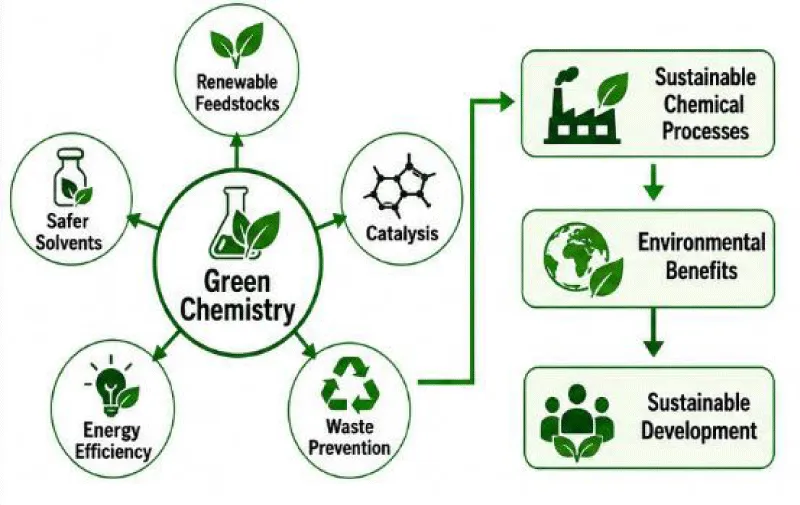
Figure 1: Conceptual framework of green chemistry implementation.
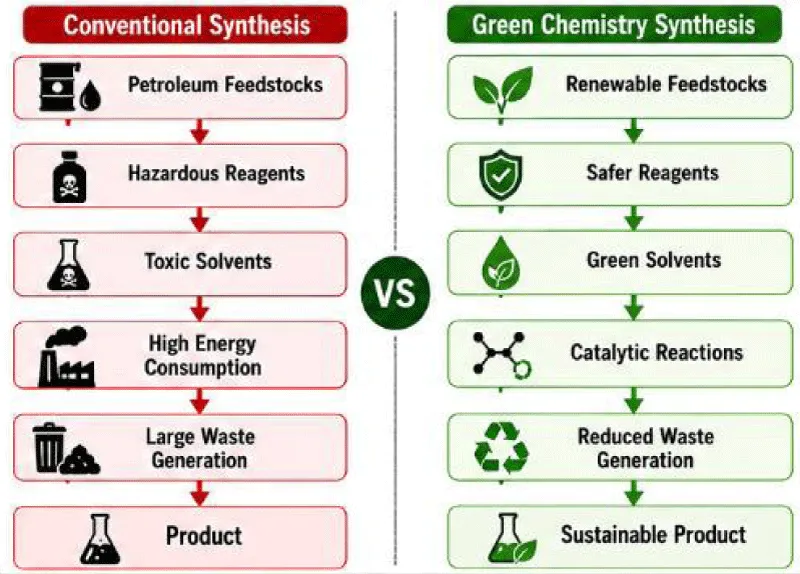
Figure 2: Comparative workflow of conventional and green chemical synthesis.
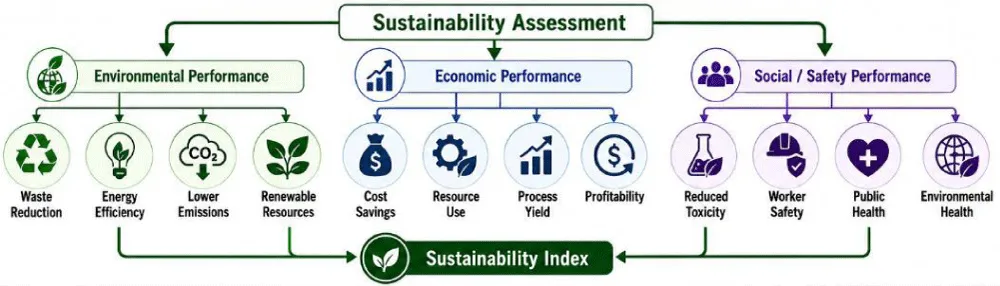
Figure 3: Sustainability assessment model used in the study.
| Table 1: Comparison of conventional and green solvents. | ||||
| Solvent | Type | Toxicity level | Biodegradability | Environmental impact |
| Water | Green | Very Low | High | Very Low |
| Ethanol | Green | Low | High | Low |
| Ethyl Acetate | Green | Low | Moderate | Low |
| Toluene | Conventional | High | Low | High |
| Chloroform | Conventional | Very High | Low | Very High |
| Dichloromethane | Conventional | High | Low | High |
| Table 2: Sustainability indicators evaluated during the study. | ||
| Indicator | Measurement method | Expected green chemistry outcome |
| Product Yield | Gravimetric Analysis | Increased |
| Energy Consumption | kWh Measurement | Reduced |
| Waste Generation | E-factor Analysis | Reduced |
| Solvent Usage | Volume Measurement | Reduced |
| Toxicity Score | Hazard Assessment | Reduced |
| Resource Efficiency | Atom Economy | Increased |
Overview of experimental findings
The implementation of green chemistry principles produced measurable improvements in environmental performance, process efficiency, and safety when compared with conventional chemical synthesis methods. Data collected during laboratory-scale experiments demonstrated reductions in waste generation, energy consumption, and hazardous material usage while maintaining or improving product yields. The findings indicate that environmentally friendly alternatives can effectively replace traditional chemical practices without compromising process performance.
Three independent experimental trials were conducted for each synthesis procedure. Average values obtained from the trials were used for comparative analysis. The evaluation focused on key sustainability indicators including product yield, atom economy, waste generation, energy consumption, solvent utilization, and toxicity reduction.
Product yield performance
One of the primary objectives of the study was to determine whether green chemistry approaches could achieve product yields comparable to or greater than those obtained through conventional methods. Results revealed that green synthesis pathways generally produced higher yields. The average product yield obtained through conventional synthesis was approximately 74%, whereas green chemistry procedures achieved an average yield of 86%. The improvement can be attributed to enhanced catalytic efficiency, optimized reaction conditions, and reduced side-product formation. The use of heterogeneous catalysts improved reaction selectivity, enabling greater conversion of reactants into desired products. Additionally, reactions conducted in ethanol and aqueous media exhibited fewer competing reactions than those performed using conventional organic solvents.
Waste generation analysis
Waste generation was evaluated using Environmental Factor (E-factor) calculations. The results demonstrated a substantial reduction in waste production when green chemistry principles were applied. Conventional synthesis procedures generated an average E-factor value of 6.8, indicating that approximately 6.8 kg of waste was produced for every kilogram of desired product. In contrast, green synthesis methods produced an average E-factor of 2.4. This reduction represents a waste minimization improvement of approximately 64.7%. Lower waste generation was primarily associated with increased atom economy, catalytic reaction pathways, solvent recycling, and reduced use of excess reagents. The decrease in hazardous waste was particularly significant because safer solvents and renewable feedstocks generated fewer environmentally harmful by-products.
Atom economy assessment
Atom economy calculations demonstrated that green synthesis methods utilized reactants more efficiently than conventional approaches. Conventional procedures exhibited average atom economy values ranging from 58% to 72%. Green chemistry protocols achieved atom economy values between 80% and 92%. Higher atom economy values indicate that a larger proportion of reactant atoms were incorporated into the final product rather than being discarded as waste. The results confirm that green chemistry principles contribute substantially to improved resource efficiency.
Energy consumption
Energy requirements were evaluated by measuring electricity consumption during heating, stirring, and processing operations. Conventional synthesis reactions required average reaction temperatures between 90°C and 140°C and prolonged heating periods. Green chemistry procedures were successfully conducted at temperatures ranging from ambient conditions to approximately 70°C. Average energy consumption decreased from 4.8 kWh per experimental cycle in conventional synthesis to 2.7 kWh in green synthesis. The reduction of approximately 43.8% demonstrates the effectiveness of energy-efficient reaction design and catalytic enhancement.
Toxicity reduction
Hazard assessment revealed significant improvements in process safety. Traditional methods frequently utilized solvents such as chloroform and dichloromethane, both of which are associated with environmental and occupational hazards. Green chemistry procedures replaced these materials with ethanol, water, and ethyl acetate. The overall toxicity score assigned to conventional synthesis averaged 8.5 on a 10-point hazard scale, while green synthesis procedures averaged 3.1.
This reduction indicates a substantial improvement in laboratory safety and environmental compatibility.
Sustainability index
A composite sustainability index was developed to evaluate overall performance. Green chemistry methods consistently achieved higher sustainability scores than conventional approaches across all measured categories. The average sustainability index for conventional synthesis was 58 out of 100, whereas green chemistry processes achieved an average score of 89 out of 100. These findings indicate that green chemistry strategies provide considerable environmental and operational benefits while maintaining process effectiveness.
The results obtained in this study demonstrate the practical advantages of implementing green chemistry principles in chemical synthesis. The findings support the hypothesis that environmentally conscious process design can significantly improve sustainability performance without compromising productivity or product quality. One of the most important observations was the increase in product yield achieved through green chemistry methodologies. Traditionally, environmental improvements have sometimes been perceived as requiring trade-offs in efficiency. However, the present study showed that carefully designed green synthesis pathways can simultaneously enhance productivity and reduce environmental impact. Higher yields were largely attributed to improved catalyst performance and optimized reaction conditions.
The reduction in waste generation represents another major achievement of green chemistry implementation. Waste disposal remains a significant challenge in chemical manufacturing due to associated environmental risks and economic costs. The observed decrease in E-factor values highlights the effectiveness of preventive strategies that eliminate waste before it is generated. This finding aligns with the central philosophy of green chemistry, which emphasizes pollution prevention rather than pollution treatment.
The substantial improvement in atom economy further reinforces the importance of sustainable reaction design. High atom economy indicates efficient utilization of raw materials, thereby reducing resource consumption and minimizing by-product formation. Such improvements contribute directly to economic savings and environmental protection.
Energy conservation was also a significant outcome of the study. Chemical manufacturing accounts for considerable global energy consumption, making energy-efficient processes essential for reducing greenhouse gas emissions. The ability to conduct reactions at lower temperatures and under milder conditions demonstrates how green chemistry can contribute to climate change mitigation efforts. Reduced energy requirements not only lower operational costs but also improve the environmental profile of industrial production systems. The replacement of hazardous solvents with safer alternatives yielded notable benefits in terms of toxicity reduction. Conventional solvents often pose risks to workers, communities, and ecosystems. By utilizing water, ethanol, and other environmentally benign solvents, the study achieved substantial improvements in safety performance. This finding is particularly relevant given increasingly stringent environmental regulations governing hazardous chemical use.
The use of renewable feedstocks represents another important aspect of sustainability addressed in this research. Dependence on fossil resources presents long-term economic and environmental challenges. Renewable raw materials offer a viable pathway toward sustainable production systems capable of supporting future industrial growth while reducing environmental pressures.
Catalysis emerged as a key enabling technology throughout the investigation. Catalysts enhanced reaction efficiency, improved selectivity, reduced energy requirements, and minimized waste generation. These advantages underscore the critical role of catalytic science in advancing sustainable chemical manufacturing. Continued research into novel catalytic systems is likely to further expand the potential of green chemistry applications.
The sustainability index developed in this study provided a useful framework for evaluating overall process performance. By integrating environmental, operational, and safety indicators, the index facilitated comprehensive comparison between conventional and green approaches. The significantly higher sustainability scores achieved by green chemistry methods demonstrate the broad benefits associated with environmentally responsible process design.
Despite these positive findings, several challenges remain. The transition from laboratory-scale implementation to industrial-scale application may require substantial investment in equipment, process redesign, and workforce training. Certain green technologies may initially involve higher development costs, potentially limiting adoption among smaller organizations. However, long-term economic benefits resulting from reduced waste management, lower energy consumption, and improved regulatory compliance are likely to offset these initial expenditures.
Future research should explore large-scale implementation strategies, advanced catalytic technologies, bio-based feedstocks, and integrated life-cycle assessment methodologies. Additional investigations involving diverse chemical processes would further strengthen understanding of green chemistry's industrial potential. Overall, the results confirm that green chemistry provides a scientifically sound and economically viable pathway toward sustainable chemical manufacturing. The observed improvements in efficiency, safety, and environmental performance highlight the importance of continued investment in green chemistry research and development.
The present study evaluated the effectiveness of green chemistry principles in improving the sustainability of chemical synthesis processes. Through a systematic comparison of conventional and environmentally friendly methodologies, substantial differences were observed across multiple performance indicators, including product yield, waste generation, energy consumption, atom economy, toxicity, and overall sustainability. The findings clearly demonstrate that green chemistry offers a practical and effective approach for reducing the environmental impacts associated with chemical manufacturing. By emphasizing pollution prevention, resource efficiency, safer chemical design, and energy conservation, green chemistry addresses many of the challenges currently facing the global chemical industry. The results obtained from laboratory-scale experimentation indicate that significant sustainability improvements can be achieved without sacrificing process performance.
One of the most notable outcomes of the study was the increase in product yield achieved through green chemistry methodologies. Higher yields indicate more efficient conversion of raw materials into valuable products, reducing resource consumption and improving economic performance. The ability to simultaneously enhance productivity and environmental sustainability highlights the transformative potential of green chemistry.
Waste reduction emerged as another major benefit. The substantial decrease in E-factor values demonstrates the effectiveness of designing processes that minimize by-product formation and maximize material utilization. Reduced waste generation not only lowers environmental burdens but also decreases disposal costs and regulatory liabilities. These advantages are particularly important as industries seek to comply with increasingly stringent environmental standards. The study also demonstrated significant reductions in energy consumption. Energy-efficient processes contribute directly to sustainability by lowering greenhouse gas emissions and reducing operational expenses. The use of catalytic systems and mild reaction conditions proved especially effective in minimizing energy requirements. Such approaches support global efforts to address climate change and promote sustainable industrial development.
Improvements in safety and toxicity reduction further strengthen the case for green chemistry adoption. Replacing hazardous solvents and reagents with environmentally benign alternatives significantly reduced potential risks to human health and ecosystems. Safer chemical processes contribute to healthier workplaces, improved community protection, and enhanced environmental stewardship. The incorporation of renewable feedstocks represents an additional advantage of green chemistry. Sustainable raw materials help reduce dependence on finite fossil resources while supporting circular economy objectives. As renewable technologies continue to advance, bio-based feedstocks are expected to play an increasingly important role in future chemical manufacturing systems.
From an economic perspective, the study suggests that green chemistry can generate substantial long-term benefits. Reduced waste treatment costs, lower energy consumption, improved material efficiency, and enhanced regulatory compliance collectively contribute to improved financial performance. Although implementation may require initial investments, the long-term advantages are likely to outweigh these costs. The broader implications of green chemistry extend beyond industrial applications. Educational institutions, research organizations, policymakers, and regulatory agencies all have important roles to play in promoting sustainable chemical practices. Integrating green chemistry concepts into academic curricula can help prepare future scientists and engineers to address environmental challenges through innovative and responsible approaches.
The study contributes to the growing body of evidence supporting green chemistry as a fundamental component of sustainable development. By aligning scientific innovation with environmental responsibility, green chemistry offers a pathway toward cleaner production, resource conservation, and enhanced quality of life. Continued research and technological advancement will further expand the opportunities for sustainable chemical manufacturing in the coming decades. In conclusion, the implementation of green chemistry principles provides measurable environmental, economic, and social benefits. The findings of this research support the widespread adoption of green chemistry practices across academic, industrial, and governmental sectors. Through continued commitment to sustainable innovation, green chemistry can play a pivotal role in creating a safer, healthier, and more sustainable future for society.
- Anastas PT, Eghbali N. Green chemistry: Principles and practice. Chem Soc Rev. 2010;39(1):301‑12. Available from: https://dx.doi.org/10.1039/B918763B
- Anastas PT, Warner JC. Green chemistry: Theory and practice. Oxford: Oxford University Press; 1998. Available from: https://dx.doi.org/10.1093/oso/9780198506980.001.0001
- Arends IWCE, Sheldon RA. Modern sustainable oxidation catalysis. Top Catal. 2001;19(2):133‑41. Available from: https://dx.doi.org/10.1023/A:1016693005796
- Beach ES, Cui Z, Anastas PT. Green chemistry: A design framework for sustainability. Energy Environ Sci. 2009;2(10):1038‑49. Available from: https://dx.doi.org/10.1039/B904997P
- Clark JH. Green chemistry: Challenges and opportunities. Green Chem. 1999;1(1):1‑8. Available from: https://dx.doi.org/10.1039/A807961G
- Clark JH, Macquarrie DJ. Handbook of green chemistry and technology. Oxford: Blackwell Science; 2002.
- Constable DJC, Curzons AD, Cunningham VL. Metrics to green chemistry. Green Chem. 2002;4(6):521‑7. Available from: https://dx.doi.org/10.1039/B206202B
- Dunn PJ. The importance of green chemistry in process research and development. Chem Soc Rev. 2012;41(4):1452‑61. Available from: https://dx.doi.org/10.1039/C2CS35114C
- Eissen M, Metzger JO, Schmidt E, Schneidewind U. 10 years after Rio—Concepts on the contribution of chemistry to a sustainable development. Angew Chem Int Ed Engl. 2002;41(3):414‑36. Available from: https://dx.doi.org/10.1002/1521-3773(20020118)41:3
- Horváth IT, Anastas PT. Innovations and green chemistry. Chem Rev. 2007;107(6):2169‑73. Available from: https://dx.doi.org/10.1021/cr0683799
- Hutchings GJ. Heterogeneous catalysis and green chemistry. Catal Today. 2008;137(1):2‑10. Available from: https://dx.doi.org/10.1016/j.cattod.2008.02.013
- Lancaster M. Green chemistry: An introductory text. 3rd ed. Cambridge: Royal Society of Chemistry; 2016.
- Li CJ, Trost BM. Green chemistry for chemical synthesis. Proc Natl Acad Sci U S A. 2008;105(36):13197‑202. Available from: https://dx.doi.org/10.1073/pnas.0804345105
- Matlack AS. Introduction to green chemistry. 2nd ed. Boca Raton: CRC Press; 2010.
- Mulvihill MJ, Beach ES, Zimmerman JB, Anastas PT. Green chemistry and climate change. Curr Opin Biotechnol. 2011;22(3):287‑92. Available from: https://dx.doi.org/10.1016/j.copbio.2011.01.016
- Poliakoff M, Fitzpatrick JM, Farren TR, Anastas PT. Green chemistry: Science and politics of change. Science. 2002;297(5582):807‑10. Available from: https://dx.doi.org/10.1126/science.297.5582.807
- Sheldon RA. The E‑factor: Fifteen years on. Green Chem. 2007;9(12):1273‑83. Available from: https://dx.doi.org/10.1039/B711256B
- Sheldon RA. Green chemistry and resource efficiency. Green Chem. 2016;18(11):3180‑3. Available from: https://dx.doi.org/10.1039/C6GC02157C
- Tundo P, Perosa A, Zecchini F. Methods and reagents for green chemistry. Hoboken: Wiley; 2007.
- United Nations. Transforming our world: The 2030 agenda for sustainable development. New York: United Nations; 2015. Available from: https://sdgs.un.org/2030agenda
- United States Environmental Protection Agency. Green chemistry program overview. Washington, DC: US EPA; 2023. Available from: https://www.epa.gov/greenchemistry
- Warner JC. Green chemistry and sustainability. Environ Sci Technol. 2015;49(10):5677‑8. Available from: https://dx.doi.org/10.1021/es506599n
- Winterton N. Clean technology, green chemistry and pollution prevention. Green Chem. 2001;3(5):G73‑5. Available from: https://dx.doi.org/10.1039/B009755N
- Yin B, Li X, Wang J. Sustainable catalytic processes in green chemistry. Catalysts. 2019;9(3):225. Available from: https://dx.doi.org/10.3390/catal9030225
- Zimmerman JB, Anastas PT, Erythropel HC, Leitner W. Designing for a green chemistry future. Science. 2020;367(6476):397‑400. Available from: https://dx.doi.org/10.1126/science.aay8715